- Men's Clothing Store in Murrieta, California
- (951) 600-3997
- [email protected]
Men’s Suit Alterations That Make the Fit

Designer Inspired Suits That Fit the Occasion
September 17, 2026
Business Attire Murrieta Men Can Wear With Confidence
September 20, 2026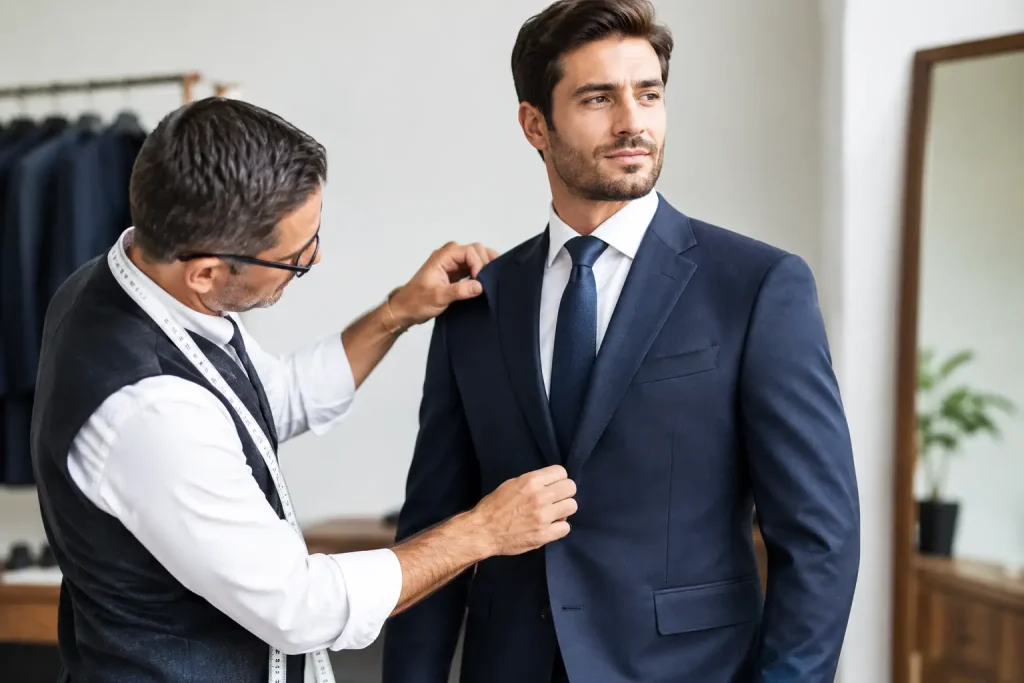
A suit can be the right color, the right size on the tag, and still look wrong the moment you put it on. That is where men’s suit alterations make the difference. A few precise adjustments can turn an off-the-rack suit into clothing that looks intentional, feels comfortable, and photographs well at a wedding, prom, graduation, interview, or business event.
At Temecula Men’s Suit Outlet, fit is not treated as an afterthought. It is part of getting dressed for the occasion. Whether you are choosing a slim-fit wedding suit, a regular-fit business suit, or a big-and-tall option, tailoring helps the garment work with your proportions instead of against them.
Why Fit Matters More Than the Label
Suit sizes provide a starting point, not a final answer. Two men can wear the same jacket size and need completely different adjustments because their shoulder width, posture, arm length, waist, and leg shape are different.
A well-fitted suit creates clean lines. The jacket sits close enough to shape the torso without pulling. The sleeves show an appropriate amount of shirt cuff. The trousers rest neatly at the waist and break correctly over the shoes. None of these details require an overly tight fit. In fact, a suit that is too tight often looks less polished than one with a comfortable, tailored shape.
This is especially important for event wear. A groom will spend hours standing, sitting, greeting guests, and dancing. A prom attendee needs to move comfortably while still looking sharp in photos. A professional may need a suit that remains presentable through a full day of meetings. Proper alterations account for real movement, not just a quick look in the mirror.
The Men’s Suit Alterations That Matter Most
Not every adjustment has the same effect. Some alterations dramatically improve how a suit looks, while others are best avoided or require more time and expense. An experienced tailor can explain what is practical before work begins.
Jacket sleeve length
Jacket sleeves are one of the most visible fit details. When your arms rest naturally at your sides, the jacket sleeve should generally end near the wrist bone, allowing about a quarter to a half inch of shirt cuff to show.
Sleeves that cover the hands make even an expensive suit look oversized. Sleeves that stop too high can make the jacket appear undersized. This adjustment is often straightforward, but jackets with working buttonholes can require more involved work. It is worth discussing before selecting a suit if sleeve length is a concern.
Trouser hem and break
Trouser length changes the entire profile of a suit. A full break creates a noticeable fold where the fabric meets the shoe. A slight break offers a traditional, clean appearance. No break gives a shorter, more modern look, often preferred with slim-fit suits.
There is no single correct choice. The right trouser break depends on the suit style, your height, and the shoes you plan to wear. For a classic wedding or business look, a slight break is a reliable choice. For prom, a contemporary suit, or a fashion-forward event, a cleaner hem may fit the look better.
Bring the shoes you expect to wear to the fitting whenever possible. Dress shoes, boots, and loafers sit at different heights, and that affects the final hem.
Trouser waist and seat
Trousers should sit securely at the natural waist without needing a belt to hold them up. A belt is an accessory, not a substitute for correct sizing. If the waistband gaps, bunches, or pinches when you sit, an adjustment may be needed.
The seat also matters. Excess fabric below the waistband can create a sagging appearance, while trousers that pull tightly across the seat are uncomfortable and can strain at the seams. This is one reason an in-person fitting is more reliable than guessing from a size chart.
Jacket waist and side seams
Taking in a jacket through the waist and side seams can create a cleaner shape through the torso. It is a popular adjustment for men who want a modern silhouette without buying a jacket that feels restrictive in the shoulders or chest.
The key is balance. A jacket should button without pulling into an X shape across the front. You should be able to sit down, move your arms, and breathe comfortably. A sharp suit follows the body without clinging to it.
Jacket length and shoulders
These are the areas to get right when you buy the suit. Shortening a jacket length or changing the shoulders can sometimes be done, but these alterations are more complex and may not be cost-effective. If the shoulders extend past your natural shoulder line, wrinkle heavily, or feel tight when you reach forward, it is usually better to try another size or fit.
For many customers, especially first-time suit buyers, this is where professional guidance saves time. The right jacket foundation makes the remaining tailoring simple and worthwhile.
When to Schedule Your Fitting
Do not wait until the week of your event if you can avoid it. A suit fitting should happen after you have selected your shirt, shoes, and any accessories that influence the final look. For a wedding, this also gives the groom and groomsmen time to coordinate their suits, shirts, ties, and hems without last-minute pressure.
A good general rule is to shop and begin alterations several weeks before a major event. The exact timing depends on the work needed, the season, and how many people are being fitted. Prom season and wedding season can be particularly busy throughout Temecula, Murrieta, Riverside County, and nearby Southern California communities.
Plan a final try-on close enough to the event to confirm the fit, but not so close that there is no room for an adjustment. If your weight is changing for a wedding, fitness goal, or graduation, let the tailor know. A small change can affect the waist, seat, and jacket balance.
What to Wear and Bring to a Suit Fitting
A fitting goes faster when you arrive prepared. Wear or bring a dress shirt similar to the one you will wear at the event. Bring your dress shoes so the trouser hem can be marked correctly. If you already have your belt, suspenders, tie, or vest, bring those as well.
Stand naturally during the fitting. Do not pull your stomach in, straighten into an unfamiliar posture, or assume you will wear the suit tighter than feels comfortable. The goal is a suit that looks excellent when you are relaxed and moving normally.
It also helps to speak up about how you will use the suit. A man attending a black-tie wedding has different needs from someone buying a suit for weekly office wear. A tuxedo rental may need a fast, event-specific fit, while a suit you plan to wear for years may justify a more considered adjustment plan.
How to Tell If Your Suit Needs Alterations
Look for clear signs rather than relying only on the number inside the jacket. Your jacket likely needs attention if the sleeves hide your shirt cuffs, the waist balloons at the sides, or the button creates deep pulling lines. Your trousers may need tailoring if they puddle over the shoes, slide down without a belt, bunch under the seat, or pull across the thighs when you sit.
Also pay attention to comfort. A suit should feel structured, but it should not prevent normal movement. Raise your arms, sit in a chair, and fasten the jacket. Minor restrictions are normal in formalwear, but sharp pulling, pinching, or strain usually points to a sizing or alteration issue.
The Value of Buying Where You Can Be Fitted
An affordable suit does not need to look inexpensive. The difference is often in the fit, the shirt and tie pairing, and the attention paid to finishing details. Choosing a local suit specialist that offers both formalwear and experienced tailoring gives you one place to handle the process from selection to final fitting.
That convenience matters when you are preparing for an important day. Instead of trying to coordinate a suit purchase, separate tailor, rental pickup, and accessory shopping, you can get clear guidance based on your event, budget, and preferred fit. A proper fitting is not about changing everything on a suit. It is about making the adjustments that let you walk into the room looking prepared, comfortable, and fully yourself.