- Men's Clothing Store in Murrieta, California
- (951) 600-3997
- [email protected]
Matching Ties With Suits for Any Occasion

Tuxedos for Sale Murrieta for Every Event
September 15, 2026
Designer Inspired Suits That Fit the Occasion
September 17, 2026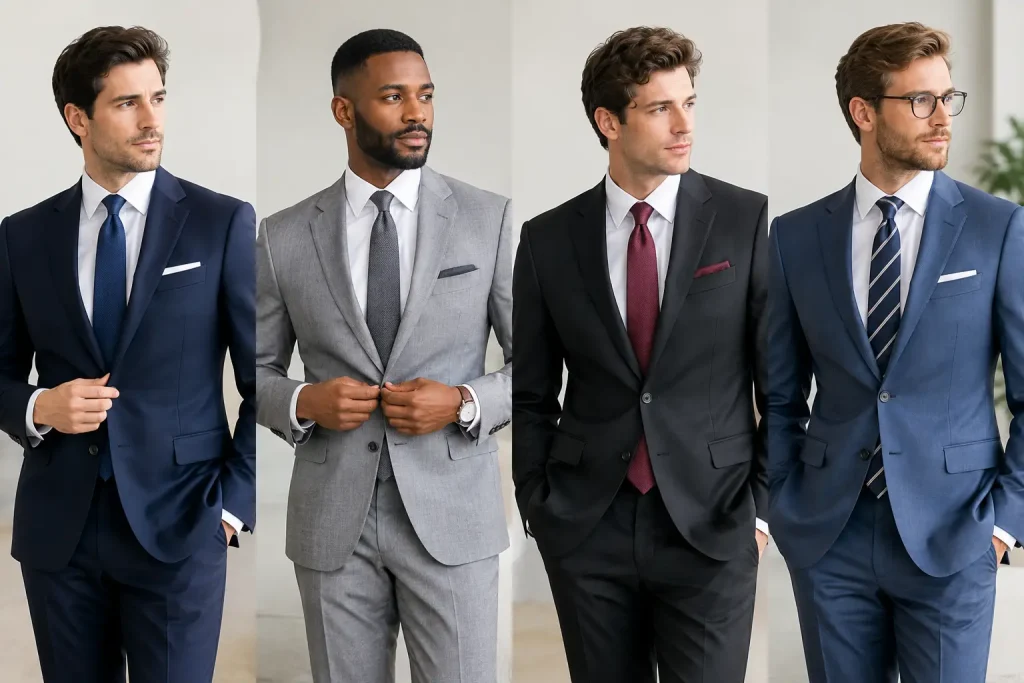
A sharp suit can lose its impact quickly when the tie feels out of place. For weddings, interviews, prom, business meetings, and formal celebrations, matching ties with suits comes down to a few dependable decisions: suit color, shirt color, pattern scale, and the level of formality. Get those right, and the finished look feels intentional without looking overdone.
The good news is that you do not need a closet full of accessories to dress well. A small selection of well-chosen ties can cover most occasions, especially when each one works with the suits you already own. Start with the suit, build around the shirt, then use the tie to bring the outfit together.
Matching Ties With Suits Starts With Color
Your suit is the foundation. Navy, charcoal, medium gray, tan, and black suits all create different starting points, and the tie should support that color rather than compete with it. The simplest route is to pair a darker tie with a lighter shirt. A white shirt gives you the most flexibility, while light blue, pale pink, and subtle patterned shirts can add personality when chosen carefully.
A navy suit is one of the easiest options to style. Burgundy, deep red, forest green, medium blue, gold, and soft pink ties all work well against navy. For a conservative business setting, a burgundy silk tie with a white or light blue shirt is a dependable choice. For a wedding or social event, a richer green or a tie that picks up a wedding color can feel more festive without losing polish.
Charcoal and gray suits also offer plenty of range. A charcoal suit looks especially clean with burgundy, dark blue, silver, lavender, or black ties. Medium gray has a lighter, more approachable feel and pairs well with navy, purple, red, and textured neutral ties. If the shirt is white, you have room for color. If the shirt is light blue, navy, burgundy, and darker purple are generally safer choices.
Tan and light gray suits are popular for daytime weddings, graduations, and warm Southern California events. They look best with ties that have some contrast but are not too heavy. Navy, medium blue, rust, sage green, and soft floral patterns can work well. A very dark black tie can look harsh with a tan suit unless the event is especially formal.
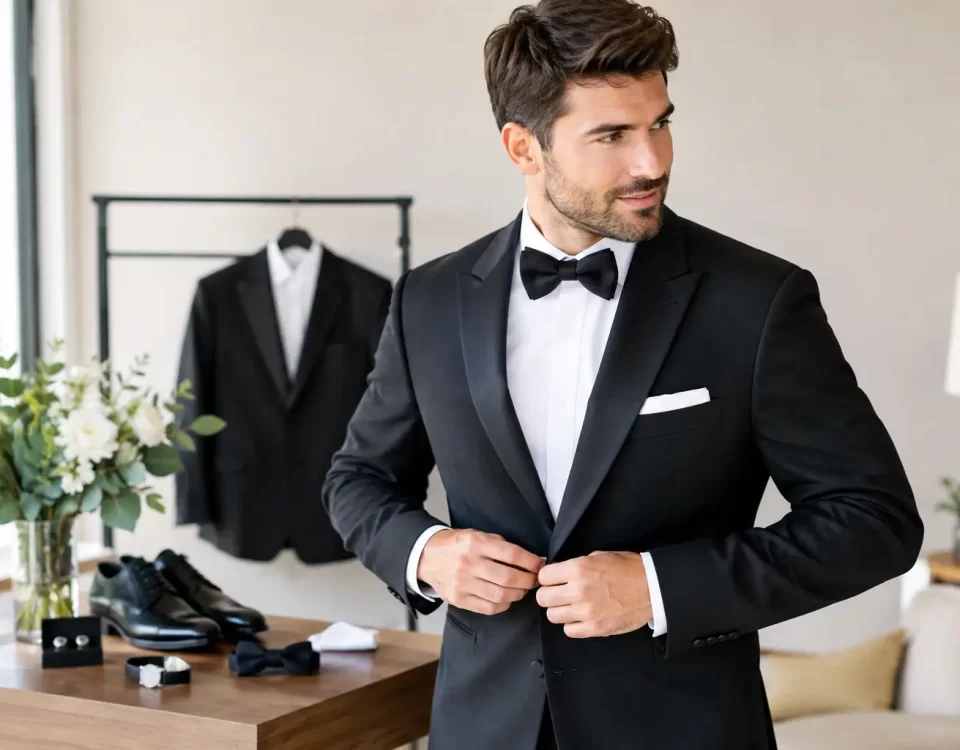
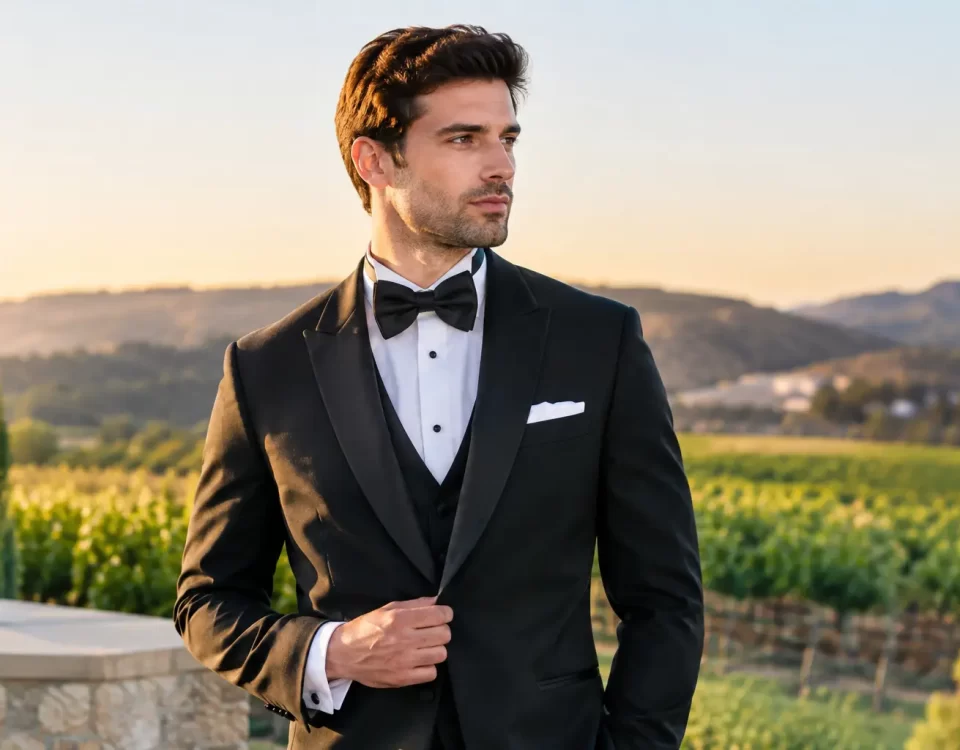
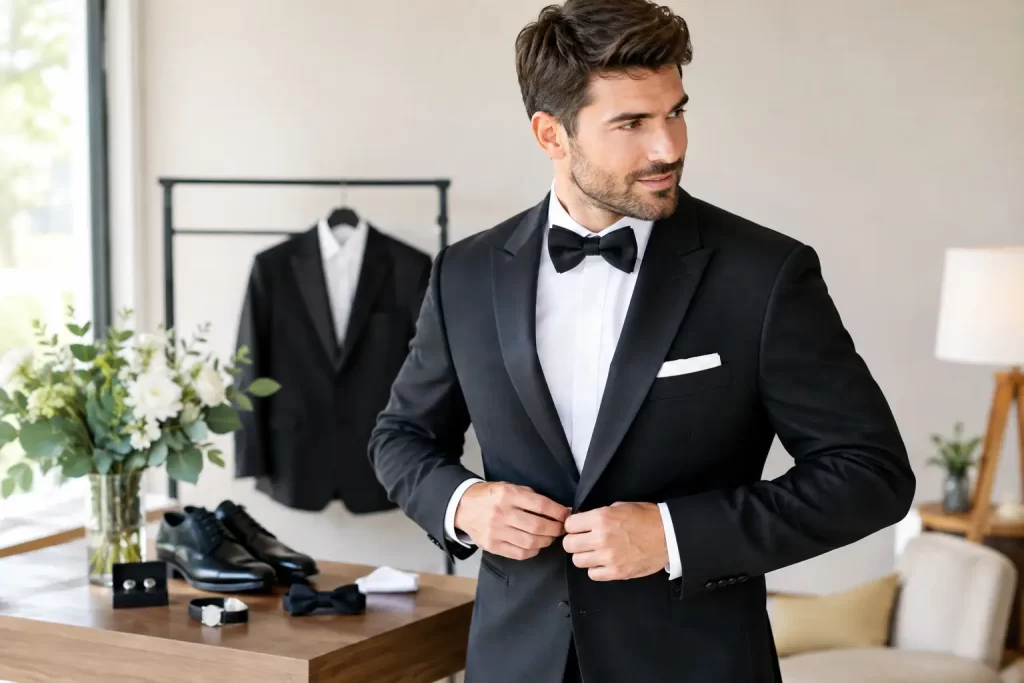
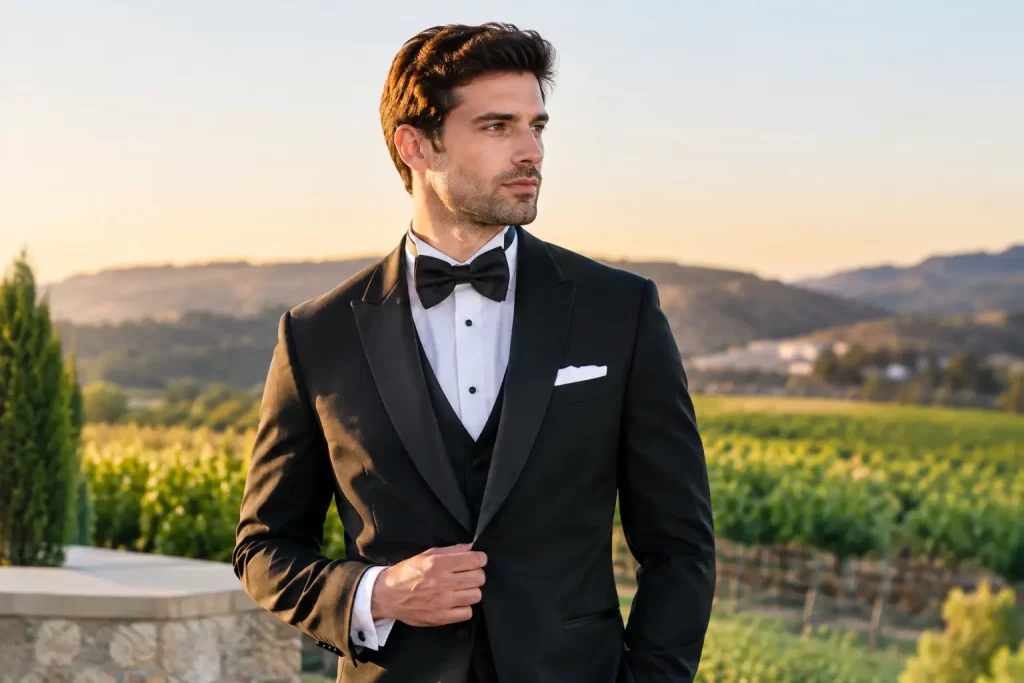
Black suits require a little more care. They are appropriate for certain formal events, evening occasions, or coordinated wedding parties, but they can look severe in a business setting. A black suit with a white shirt and black tie is formal and straightforward. For a less rigid look, choose a deep burgundy, charcoal, or dark silver tie. If the event calls for a tuxedo, a proper bow tie is usually the better choice than a long necktie.
Use the Shirt as Your Tie’s Background
Once the suit color is selected, look at the shirt before choosing the tie. A white shirt is a blank canvas, which is why it remains the best option for first-time suit buyers, job interviews, and events where you want to avoid uncertainty. Nearly any solid or patterned tie can work with white, provided it suits the jacket.
A light blue shirt is almost as versatile. It pairs naturally with navy, burgundy, dark green, and gold ties. The key is making sure the tie is darker or more saturated than the shirt. A pale blue tie on a pale blue shirt may blend together and lose definition, especially in photographs.
With pink, lavender, or other colored dress shirts, keep the tie choice more restrained. A navy tie is often the easiest answer because it creates contrast while still looking refined. You can also choose a tie that includes a small amount of the shirt color in its pattern. That connection makes the outfit feel coordinated rather than accidental.
Patterned shirts need a quieter tie. A fine check or subtle stripe can work with a solid tie or a tie with a larger, clearly different pattern. The goal is separation. When the shirt and tie have similar-sized stripes, checks, or repeating designs, the combination can look busy from a distance.
Pattern and Texture Add Interest Without Clashing
Solid ties are the most flexible accessories in a man’s wardrobe. Navy, burgundy, dark green, and medium blue solids can carry you through professional settings, weddings, church services, and dinner events. They are particularly useful when the suit or shirt already has a pattern.
When you wear a solid suit and solid shirt, a patterned tie adds character. Small dots, tasteful florals, geometric prints, and classic diagonal stripes are all useful choices. The colors in the pattern should relate to the rest of the outfit, but they do not need to match every piece exactly. A navy tie with small burgundy details, for example, can work well with a gray suit and white shirt.
Texture matters, too. A smooth silk tie has a dressier finish and suits formal weddings, interviews, and evening events. Knit ties and matte fabrics feel more relaxed, making them better for business-casual offices or daytime gatherings. During warmer months in Temecula, Murrieta, and surrounding communities, lighter textures can be comfortable and seasonally appropriate, but the tie should still match the formality of the venue.
A reliable pattern rule is to vary the scale. If your suit has a fine pinstripe, choose a solid tie or one with a larger pattern. If your shirt has a subtle check, avoid a tie with a similarly small check. Different scales keep the outfit clear and balanced.
Choose the Tie for the Occasion
The right tie for a job interview is not always the right tie for prom or a wedding. For interviews, business meetings, and professional photos, conservative colors make the strongest impression. Navy, burgundy, and dark blue with a clean white or light blue shirt show confidence without pulling attention away from you.
For a wedding, the groom and groomsmen may need to coordinate with the wedding palette, but exact matching is not always necessary. A tie can complement the bridesmaid dresses, flowers, or venue colors without duplicating them. Deep tones work well for fall and evening weddings, while lighter blues, sage, dusty rose, and subtle floral designs often suit spring and daytime celebrations.
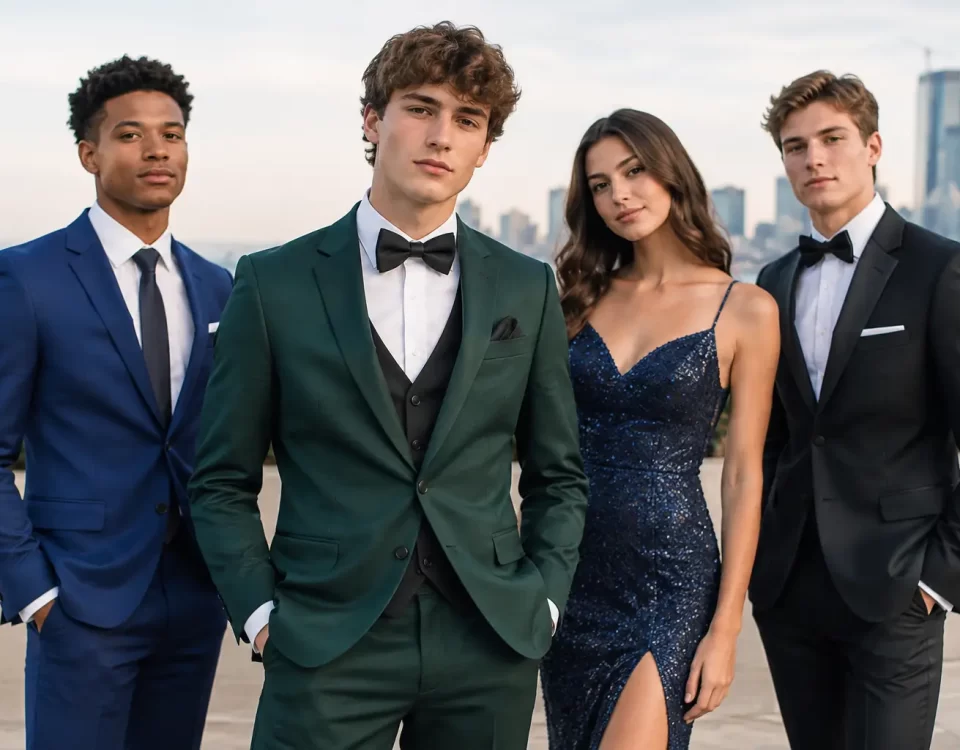
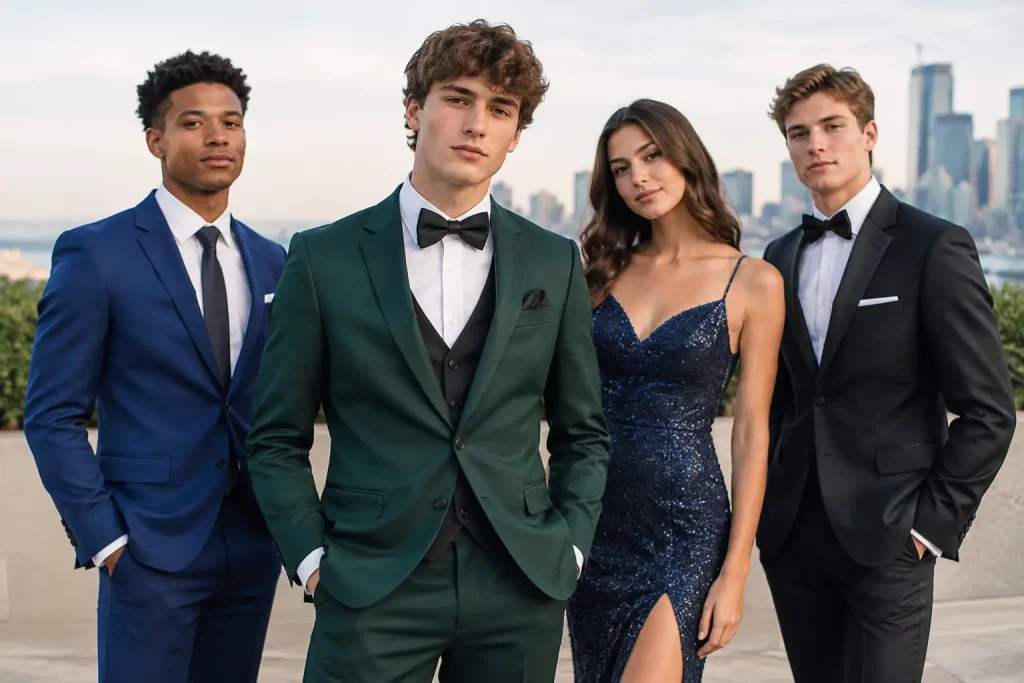
Prom gives you more room to show personality. A black, navy, burgundy, or emerald tie can look excellent with a slim-fit suit, especially when the shirt stays simple. If your date’s outfit is a bold color, use that shade as an accent rather than automatically choosing a tie in the exact same color. A complementary tone usually photographs better and looks more mature.
For a graduation, banquet, or family celebration, aim for polished but not overly formal. A navy or gray suit with a patterned tie is often right on target. You want an outfit that looks good in photos while still feeling comfortable through a long day.
Fit and Proportion Still Matter
Even the best color combination will not look right if the tie is the wrong width or length. As a general rule, the widest part of the tie should be close to the width of the suit lapel. Slim-fit suits with narrow lapels usually look best with a narrower tie, while regular-fit suits often support a more traditional width.
The tip of the tie should reach the middle of your belt buckle. Too short looks unfinished, and too long can make an otherwise tailored outfit appear careless. Your knot should fill the collar without spreading it apart. A simple four-in-hand knot works with most collars and creates a slightly narrower shape, while a half-Windsor gives a more balanced, formal finish.
Do not overlook the tie bar. It should sit between the third and fourth shirt buttons and should never extend wider than the tie itself. A tie bar is optional, but it can be practical for outdoor ceremonies, dancing, or any event where you want the tie to stay in place.
Common Matching Mistakes to Avoid
The most common mistake is trying to match everything exactly. A red tie, red pocket square, red socks, and red boutonniere can feel more like a uniform than a well-styled outfit. Let one accessory carry the strongest color, then use the others more quietly.
Another problem is treating black as the automatic formal choice. Black is useful, but navy and charcoal are often more versatile for work, weddings, and special occasions. Finally, do not make a tie decision without trying it on with the actual suit and shirt. Lighting, fabric texture, and skin tone can change the effect more than you expect.
When an important event is coming up, bring the shirt, shoe color, or a photo of the wedding palette with you. At Temecula Men’s Suit Outlet, the goal is to help you leave with a coordinated look, a proper fit, and the confidence that every detail is working together. A well-matched tie is a small finishing touch, but it is often the detail people notice when you walk into the room.